
Nội dung chính
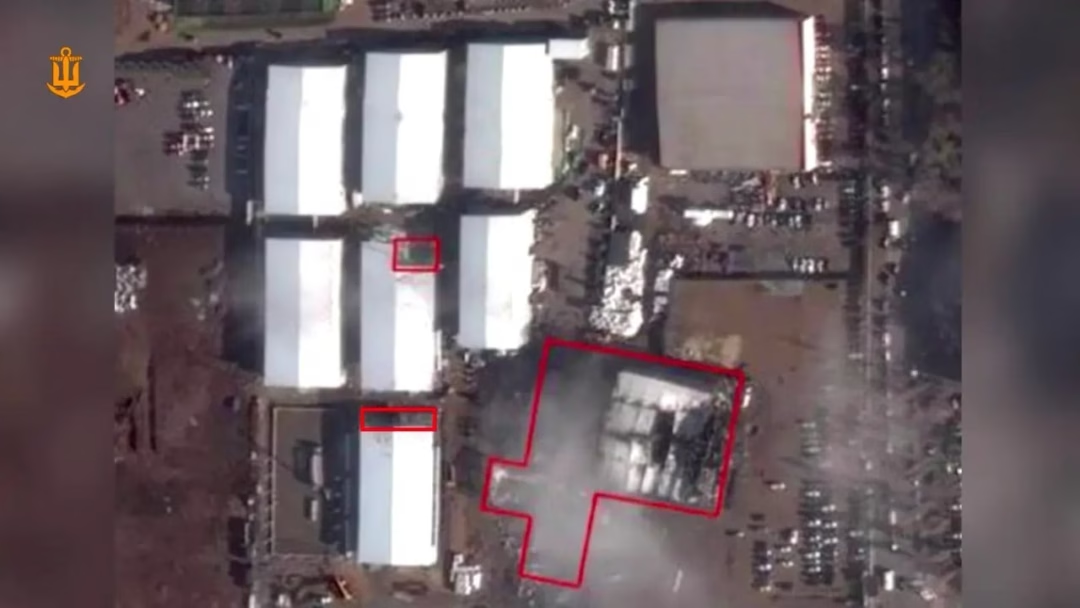
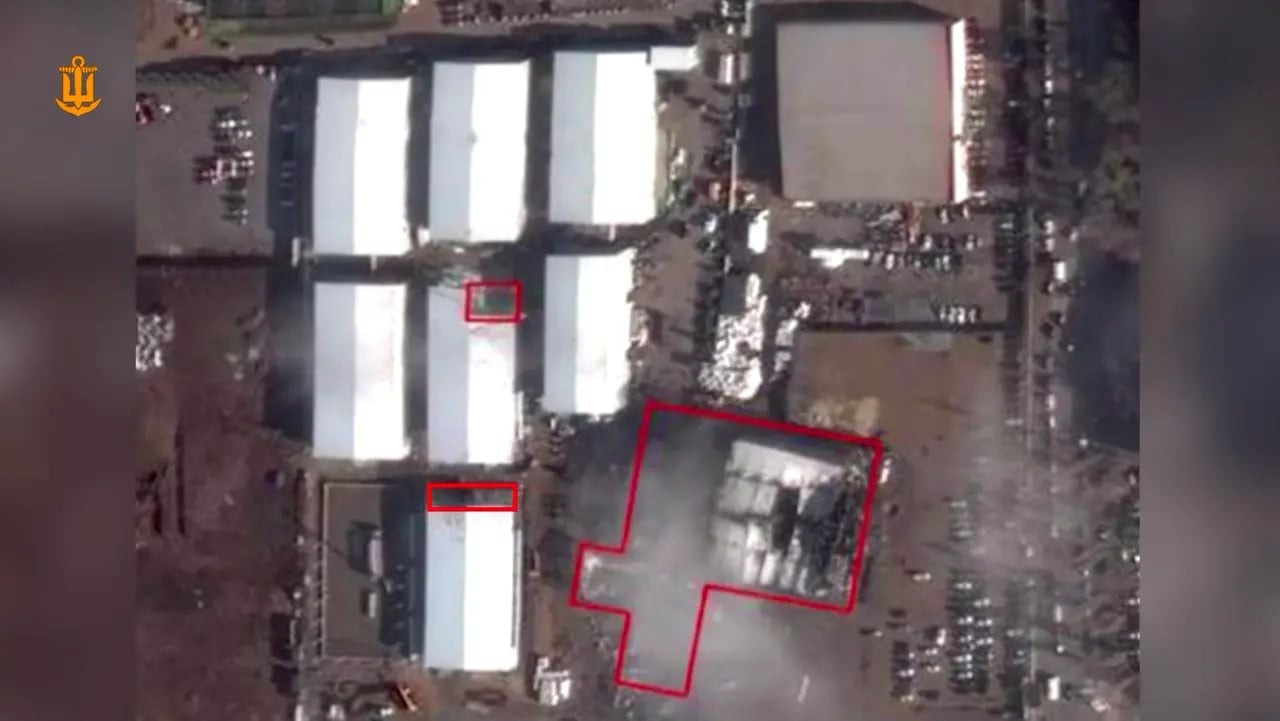
Satellite photos released this week show that large sections of Russia’s Atlant Aero UAV factory in Taganrog have been severely damaged after a coordinated Ukrainian strike.
Satellite imagery confirms extensive destruction
High‑resolution satellite pictures published by Ukrainian intelligence reveal a cluster of buildings at the Atlant Aero complex with collapsed roofs, visible scorch marks and large debris fields. The images indicate that several production halls were hit simultaneously, crippling the plant’s ability to assemble drones.
What the Atlant Aero plant produces
Atlant Aero is best known for manufacturing the Molniya (“Lightning”) UAV – a low‑cost, fixed‑wing, loitering‑munition drone that has become a staple of Russian forces on the battlefield. The Molniya’s relatively long endurance and sizable payload make it especially effective for striking supply lines and fortified positions. In addition to Molniya, the plant reportedly assembles components for the Orion attack UAV and supplies electronic‑warfare kits for various Russian platforms.
Details of the Ukrainian operation
According to statements from the Ukrainian Navy on 16 January, the strike was carried out in coordination with the Alpha special‑operations unit of the Security Service of Ukraine (SBU). The operation targeted the plant three days after the SBU announced a preparatory sabotage mission. Besides the visible structural damage, Ukrainian officials claim that fire‑damage was observed in adjacent workshops, further reducing production capacity.
Strategic implications for Russia’s UAV capabilities
The loss of production capacity at Atlant Aero could delay the delivery of new Molniya drones, which Moscow plans to increase in numbers throughout 2025. Analysts from the International Institute for Strategic Studies note that each Molniya unit costs roughly $15,000, and the plant’s output accounts for a significant share of the Russian loitering‑munition stockpile. A prolonged outage may force the Russian military to rely more heavily on older UAV models or to import alternatives, thereby affecting operational flexibility on the front lines.
Geopolitical context of Taganrog
Taganrog is a major Black Sea port located about 40 km from the Ukrainian‑controlled part of Donetsk Oblast. Its strategic position makes it a logistical hub for Russian military shipments heading to the southern front. Over the past year, Ukrainian forces have increasingly targeted deep‑strike facilities behind the front line, aiming to erode Moscow’s war‑fighting sustainment capabilities.
Observers warn that repeated hits on key defence factories could have long‑term consequences for Russia’s ability to maintain a steady flow of weapons, especially as the conflict drags on.
What do you think will be the next step for both sides in this high‑stakes technological battle? Share your thoughts in the comments and stay tuned for more analysis.